Thermal Inspection

Solar plant, roof, pipeline and facility thermography

Thermal Inspection

Find solar hot spots, roof leaks and electrical panel faults with radiometric thermal cameras.

From 3,500 TRY per MW

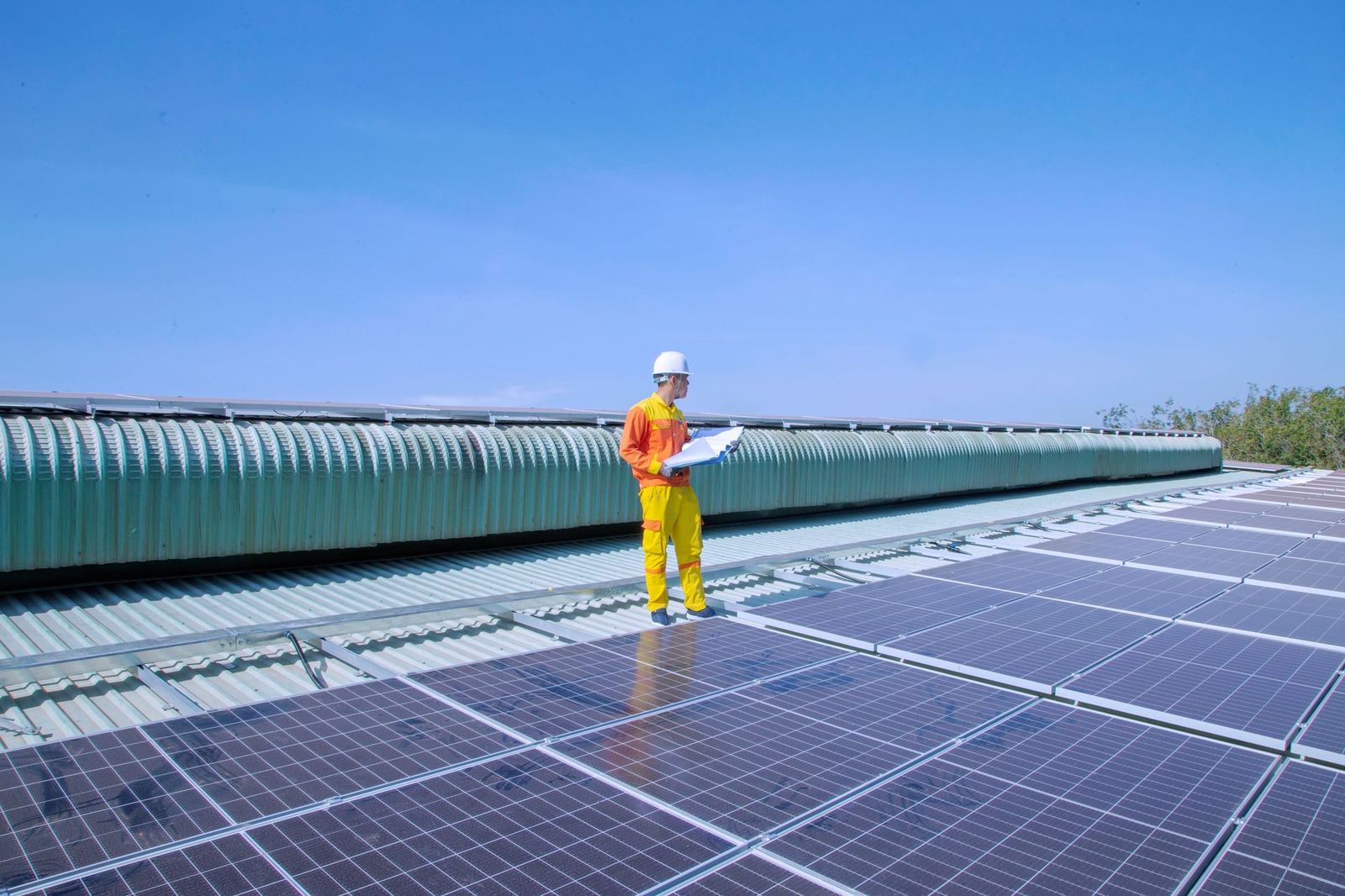
Thermal inspection reveals hidden faults as temperature differences. In a solar plant one faulty diode or loose connection can cut a panel’s output and lifetime sharply; a drone scans 1 MW of modules in roughly 20 minutes.

Scope

  • Solar: hot spots, diode failures, soiling, string loss
  • Roofs and facades: thermal bridges, moisture and leaks
  • Electrical: panels, transformers and overhead-line joints
  • Industrial: pipelines, furnace refractory and conveyor bearings

Reporting

Each anomaly is delivered in a table with GPS coordinates, temperature delta (ΔT), severity class and recommended action. We can also export CSV for import into your CMMS.

When should it be done?

For solar plants the ideal condition is at least 600 W/m² irradiance and calm air, so we usually fly near midday. An annual inspection is recommended before warranty expiry and after every major maintenance.

Scope of service

  • Radiometric 640×512 thermal sensor
  • Roughly 20 minutes of flight per MW
  • Coordinated anomaly table
  • CMMS-ready CSV export

Thermal Inspection — get a quote

Fill in the form and we will get back to you as soon as possible.

Frequently asked questions

Which permits are required for commercial drone flights?
Depending on weight and operation type you need SHGM UAS registration, a pilot certificate, operator authorisation and liability insurance. Additional coordination applies in military restricted areas and urban zones. Kartalay handles the entire process; you only share the site information.
How accurate is the mapping?
With RTK/PPK and ground control points we target 2–3 cm horizontal and 3–5 cm vertical RMSE. Achieved values are measured against independent check points and reported on every project.
How many hectares can you map in a day?
With the KS-2 fixed wing we capture 450–600 hectares a day; multirotors deliver 150–250 hectares of orthophoto. Terrain, wind and target resolution affect this.
How does weather affect flights?
Rain, wind above 10 m/s and poor visibility stop flights. Thermal jobs need clear sunny hours, spraying needs low wind. No extra fee is charged for flights postponed because of weather.
What faults can thermal inspection detect?
We detect hot spots, partial shading, bypass diode failures, loose connections, soiling and insulation losses. Each finding is listed with GPS coordinates, temperature delta and a recommended action.
WhatsApp +90 222 555 28 40 info@kartalay.com.tr