

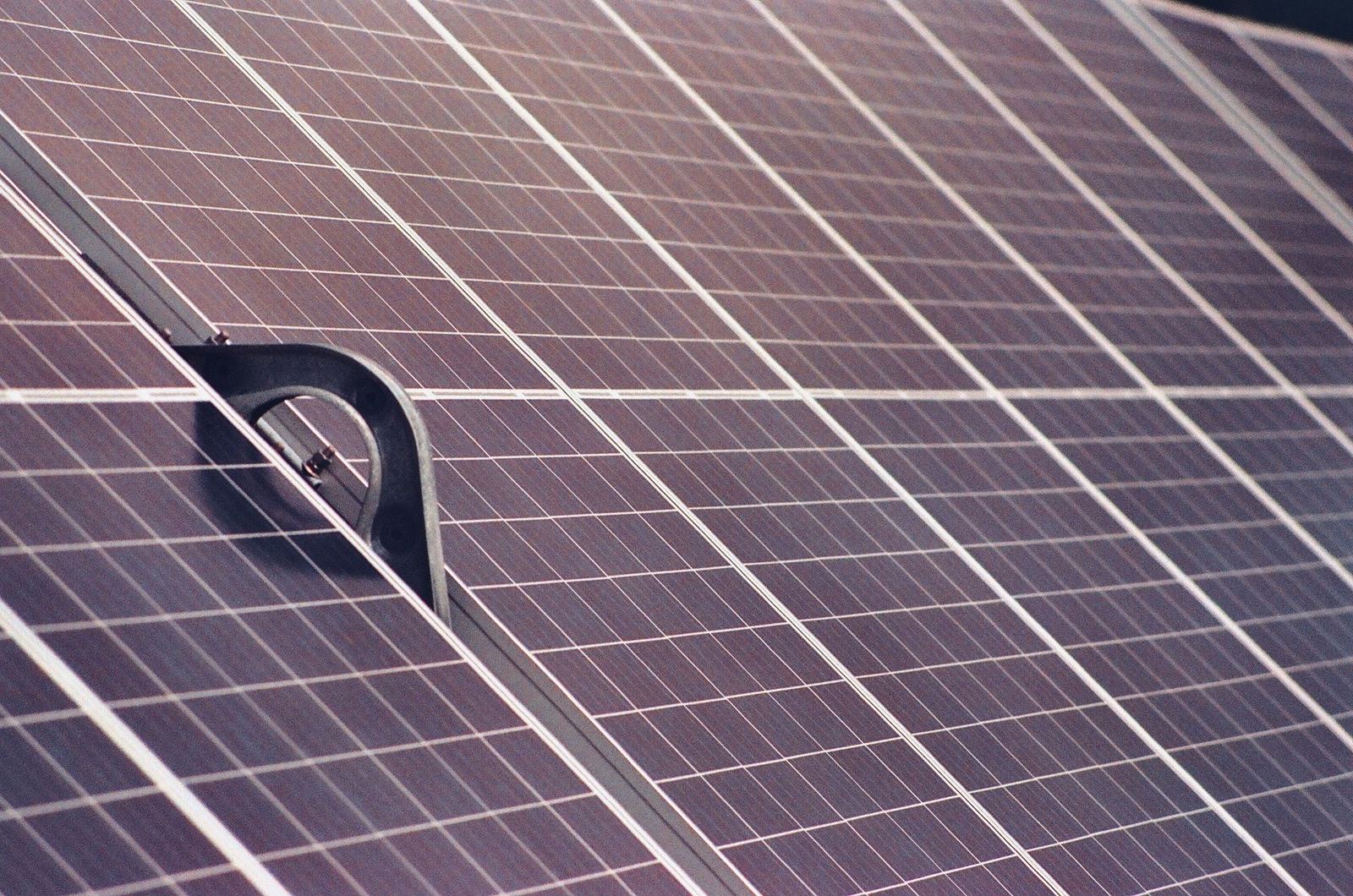
How thermal drone scanning works, which faults it finds and the estimated cost of efficiency loss.
Production loss in a solar plant is often invisible to the eye. A micro-crack in a cell, a failed bypass diode or a loose connector shows up as a hot spot on the module surface. Thermal drone inspection finds these points within hours.
Measurement conditions
For reliable results irradiance should be at least 600 W/m², air calm and sky largely clear. Kartalay crews mostly fly around midday when the sun is near-perpendicular. A radiometric camera gives a temperature value in each pixel, not just a colour-scale image.
Which faults are found?
- Hot spot: cell cracks, partial shading, solder defects
- Bypass diode failure: a third of the module is out of circuit
- String loss: connection fault, tripped fuse
- Soiling: bird droppings, dust build-up
- PID effect: potential-induced degradation
How are anomalies classified?
The temperature difference (ΔT) against a neighbouring healthy module is calculated. Below 10 °C is monitoring, 10–20 °C planned maintenance and above 20 °C urgent action. Each finding is reported with a GPS coordinate and photo, so the maintenance crew goes directly to the module.
What does it save?
In a 10 MW plant producing 15,000 MWh a year, a 2% loss is 300 MWh. At an assumed 2,000 TRY per MWh that is roughly 600,000 TRY of lost revenue a year. Two inspections a year usually cost a small fraction of that.
Inspection frequency
- First month after commissioning (baseline)
- 3–6 months before warranty expiry
- At least once a year, preferably early summer
- After major storms, hail or maintenance
With our Solar Thermal Assurance subscription, two flights a year, anomaly tracking and comparison with the previous period come as one package. Tell us your plant capacity and we will build a plan for you.
What should the report contain?
A good thermal report is more than coloured photos. For every anomaly it should include module ID, GPS coordinate, ΔT, ambient temperature, irradiance and recommended action. A table that can be imported into the maintenance system (CSV) and a comparison with the previous period determine its real value.
Related Posts
Drones in Agricultural Spraying: Cost, Yield and Points of Attention
Advantages and limits of drone spraying versus conventional methods, and a checklist for correct application.
Read More